Putting Hologram Icons Through the Practical Embroidery Test
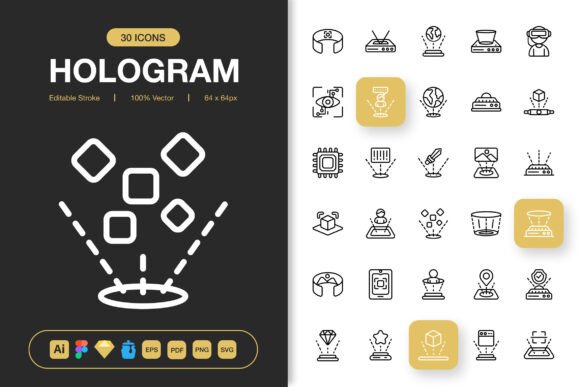
When a new embroidery design lands in my library, my first question isn't about how pretty it looks on screen. It’s about how it will behave under the needle and thread, and what kind of finished product it will create for my clients or my own shop. Let’s walk through that exact process with Hologram Icons, a set of minimalist icons described as suitable for any project.
The First Impression: Clean, Modern, and Versatile
Opening Hologram Icons, the immediate vibe is clarity and a modern, graphic sensibility. The shapes are straightforward, with clean lines and a unified visual personality that leans toward the sleek rather than the ornate. This isn’t a design that shouts; it communicates quietly and effectively. For an embroidery designer, that mood translates to projects where subtlety and recognition are key—think boutique branding, personalized gifts for a tech-savvy friend, or clean merch for a small creative business. It feels naturally suited to custom apparel like high-quality sweatshirts or crisp tote bags where the design itself is the statement, not just a decorative accent.
Where These Irons Would Stitch Brilliantly
Imagine you’re preparing a custom embroidered tote bag for a local coffee shop. They want a simple, memorable icon for their logo. Hologram Icons offers that kind of asset. The minimalist nature means it will stitch out with clarity on a woven bag fabric, without overly dense fill stitches that could stiffen the material. Similarly, on a baby item like a delicate blanket or a personalized gift of a knit hat, these icons could provide a sweet, unobtrusive detail—a small star or heart, for instance—that doesn’t overwhelm the softness of the fabric. For an Etsy seller creating embroidered patches, the clean shapes are ideal for crisp satin stitch borders and recognisable symbols that customers can instantly understand.
In commercial embroidery for small shop merchandise—aprons, tea towels, simple pillow covers—these graphics promise good stitch economy. They likely won’t consume excessive thread or require huge hoop sizes, making them efficient for batch work. Their versatility across websites, social media, and print also means they can be used to create cohesive branding; the same icon from the set could be used in digital mockups and then stitched onto physical craft business products, building strong brand consistency.
The Real-Life Embroidery Considerations
However, “suitable for any project” is a promise that needs a practical designer’s scrutiny. Here’s where I would apply my real-world judgment before hitting the start button on my machine.
Fabrics and Surfaces That Demand Care
The minimalist design is a strength, but on certain materials, that simplicity requires precision. On stretchy fabric like a t-shirt, the clean lines could distort if stabilizer isn’t chosen and applied correctly. On textured fabrics like some towels or knit caps, very fine details might get lost in the weave. Dark fabric backgrounds will require thoughtful thread color choices to maintain the icon’s clarity—a white or light grey satin stitch on black denim, for example, could look stunning, but you must ensure the thread color contrast is high.
For items with curved surfaces like caps, the icons’ layout needs to be checked in a hoop simulation to ensure no important elements fall into a severely curved area where stitch placement can be tricky. And while the design seems low on stitch density, which is good for flexibility, any overly dense areas in a small, intricate corner could create tension on thin fabric like a delicate baby blouse. Always test the design on scrap fabric first, using the same material and stabilizer as your final project.
Impact on Customer Trust and Product Value
From a business perspective, using a clean, professional design like this directly affects customer trust and the perceived value of your handmade product. A crisply embroidered icon on a sweatshirt suggests attention to detail. It elevates a simple garment into a custom apparel item. For giftability, a minimalist icon on a kitchen towel or a pillow cover feels thoughtful and modern, likely to engage a buyer looking for something understated yet special. It avoids the risk of looking cluttered or amateurish, which is crucial for small shop products sold at craft fairs or online.
Practical Notes Before You Stitch
My routine before any new design goes into a client’s project or my own inventory involves a few key steps, and Hologram Icons would be no exception.
- Check the fundamentals you can’t see on screen: Since the product description doesn’t list specific hoop sizes, stitch counts, or file formats, it is essential to open the actual embroidery file in your software to confirm its compatibility with your machine and the physical size you intend to stitch.
- Inspect the small details: Zoom in on the design. Are there any tiny junctions or corners that might become a blur of threads if stitched too small? This is critical for embroidered patches where every detail is visible.
- Plan for color and background: Test it in black and white mockups and compare light and dark fabric backgrounds digitally first. This helps visualize the final finished product and choose thread palettes.
- Confirm the license: The description says it’s suitable for any project, but for digital product sellers and those doing commercial embroidery, you must verify the licensing terms yourself before selling stitched items or using the icons in digital product previews and printable mockups.
- Use proper stabilizer: For the best outcome on any fabric, matching the stabilizer to the fabric type is non-negotiable to preserve those clean lines.
The Final Stitched Outcome
In a best-case scenario, Hologram Icons would translate from a screen graphic to a polished, modern embroidered element. On a linen apron, it could look crisp and professional. On a holiday embroidery gift like a festive tea towel with a subtle holiday icon, it would offer a contemporary twist. Its minimalist icon design means it carries a lower risk of stitching problems than a hyper-detailed illustration, provided the technical basics are covered. It feels like a design set that, with due diligence, can become a reliable design asset in your embroidery library, helping you create products with strong visual appeal and stitching clarity that resonate with today’s buyers.
The key, as always, is to treat every new design not just as a digital file, but as a blueprint for a physical, stitched object. With that mindset, Hologram Icons presents a promising opportunity for a wide range of embroidery projects, from the personal to the commercial.