Exploring Logistic Transport Illustration for Embroidery
First Impressions and Visual Appeal
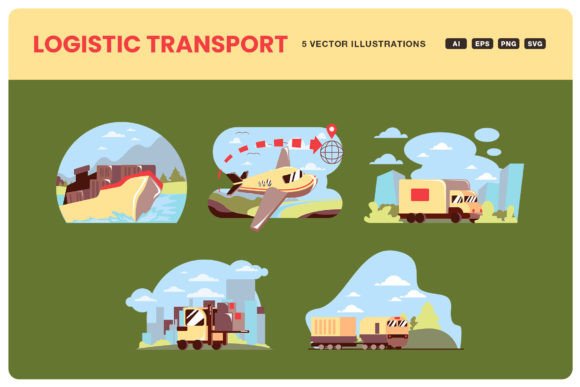
When I first laid eyes on the Logistic Transport Illustration, it immediately struck me as a versatile and engaging design. The set features a clean, modern aesthetic with well-defined lines and a balanced layout, making it perfect for a wide range of embroidery projects. The illustrations evoke a sense of movement and efficiency, which can add a dynamic touch to any product.
Real-Life Embroidery Scenarios
Imagine you're preparing a custom embroidered tote bag for a local logistics company. The Logistic Transport Illustration would be an excellent choice. The design's clear, bold shapes and thematic relevance make it ideal for such a project. It would also work beautifully on sweatshirts, caps, and even patches, adding a professional and polished look to the finished products.
Performance on Different Fabrics and Surfaces
While the Logistic Transport Illustration is generally versatile, it's important to consider the fabric and surface you plan to embroider. For instance, the design may require some adjustments for small hoop sizes or textured fabrics. Test the design on scrap fabric first to ensure that the details and stitch density are suitable for your chosen material. Additionally, be cautious when using the design on stretchy or thin fabrics, as these can pose challenges in maintaining the integrity of the embroidery.
Visual Impact and Customer Perception
The Logistic Transport Illustration has a strong visual impact, which can significantly enhance the value and appeal of your handmade products. Whether you're creating a custom apron for a boutique or a personalized gift for a client, this design can elevate the overall presentation. The clean, modern look of the illustration can help build customer trust and recognition, making it a valuable asset for both personal and commercial embroidery projects.
Practical Tips for Embroidery Designers
- Test on Scrap Fabric: Always start by testing the design on a scrap piece of your intended fabric to check for any issues with stitch density or detail clarity.
- Thread Color Contrast: Ensure that the thread colors you choose provide good contrast against the fabric background. This is especially important for designs with intricate details.
- Hoop Size and Stabilizer: Confirm that the hoop size is appropriate for the design and use the right type of stabilizer to prevent distortion, especially on stretchy or thin fabrics.
- Black and White Mockups: Review the design in black and white to better understand how the details will translate into stitches.
- Light and Dark Backgrounds: Test the design on both light and dark fabric backgrounds to see how it holds up under different conditions.
Where to Use Carefully
While the Logistic Transport Illustration is versatile, there are certain areas where it should be used with caution. For example, detailed corners and tiny lettering may not translate well on very small hoop sizes or on curved surfaces like caps. Dense stitch areas can also be challenging on thin or stretchy fabrics, so it's essential to test and adjust as needed. Additionally, if the finished product will need frequent washing, ensure that the design and fabric combination can withstand repeated cleaning without degrading.
Conclusion: A Valuable Addition to Your Design Arsenal
The Logistic Transport Illustration is a well-crafted and versatile design that can add a professional and dynamic touch to a variety of embroidery projects. Whether you're creating custom apparel, personalized gifts, or commercial embroidery assets, this design offers a lot of potential. Just be sure to test and adjust as needed to ensure the best possible results. With the right preparation, the Logistic Transport Illustration can become a go-to design in your embroidery toolkit.